
Leak Prevention
Waterproofing
should be testable.
We ensure your waterproofing system can be tested accurately and repeatedly, from the construction phase through the entire building lifespan.
.jpeg)
The reality
Current practices do not prevent leaks.
Waterproofing is tested, at best, once, at installation. After that, the building is assumed watertight, regardless of what happens next.
Flood testing is not quality control
Slow, resource-intensive, and inaccurate. It cannot be repeated and was never designed for roofs (ASTM D5957).
Visual inspections are limited
Dirt, debris, and construction activity obscure the surface. Unless a puncture is obvious, it will not be found just by looking.
Risk accumulates after installation
The roof becomes an active work zone. Other trades, equipment, traffic. Nothing is rechecked before handover.
The solution
ELD can find breaches before water does.
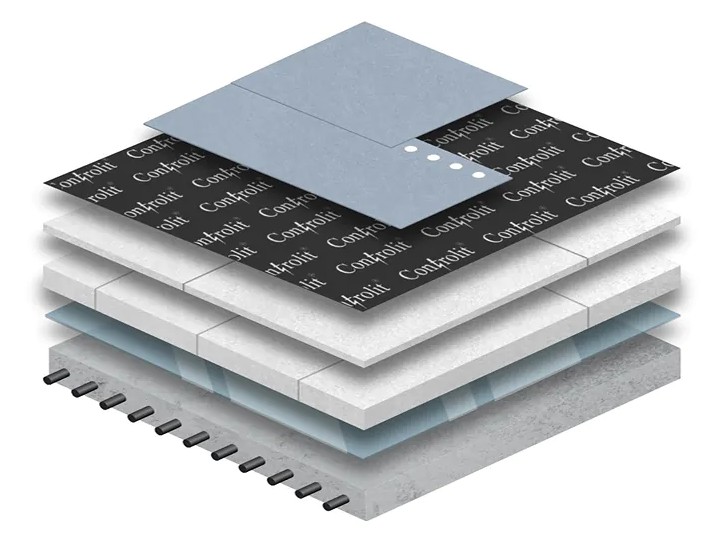
That capability depends on a single design choice: a continuous conductive layer installed permanently under the waterproofing. With that layer in place, the system becomes testable with ELD, to find breaches before they turn into leaks. Preventive testing can be performed installation, before handover, and as often as needed throughout the building's life.
How it works
One underlay. Permanent testability.
Controlit is a conductive underlay installed directly under the waterproofing membrane. It stays there permanently, allowing accurate and repeatable testing over time.
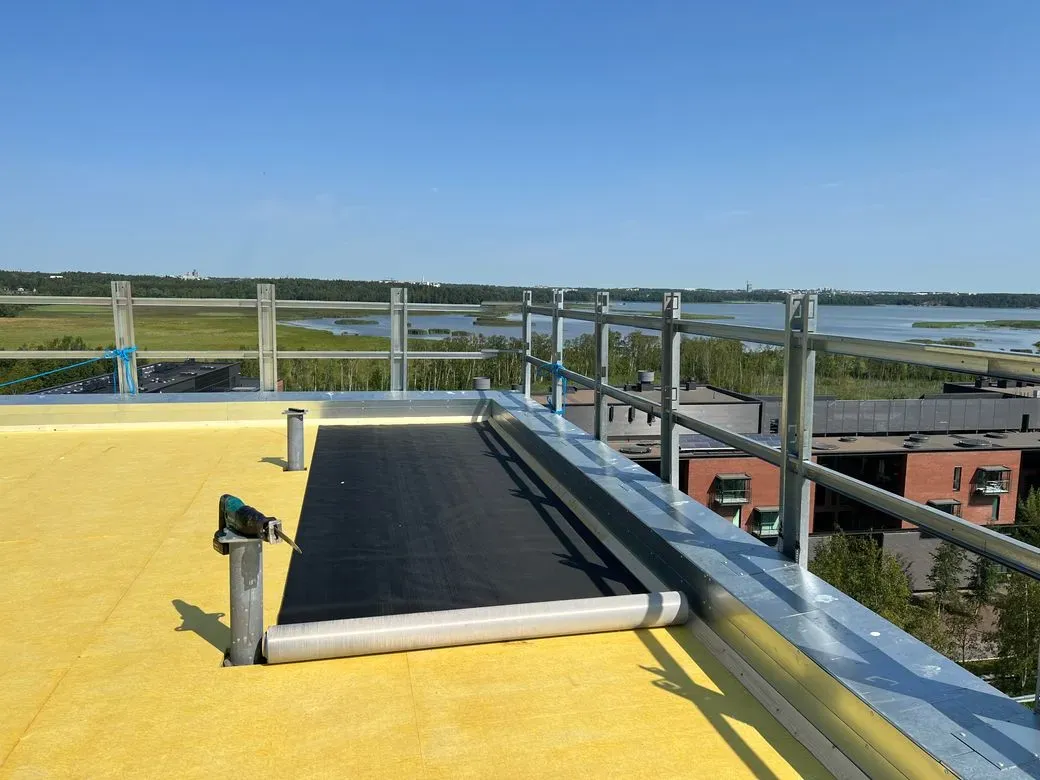
Install Controlit under your waterproofing
Controlit is laid directly under the waterproofing membrane, be it PVC, TPO, EPDM or Bitumen.
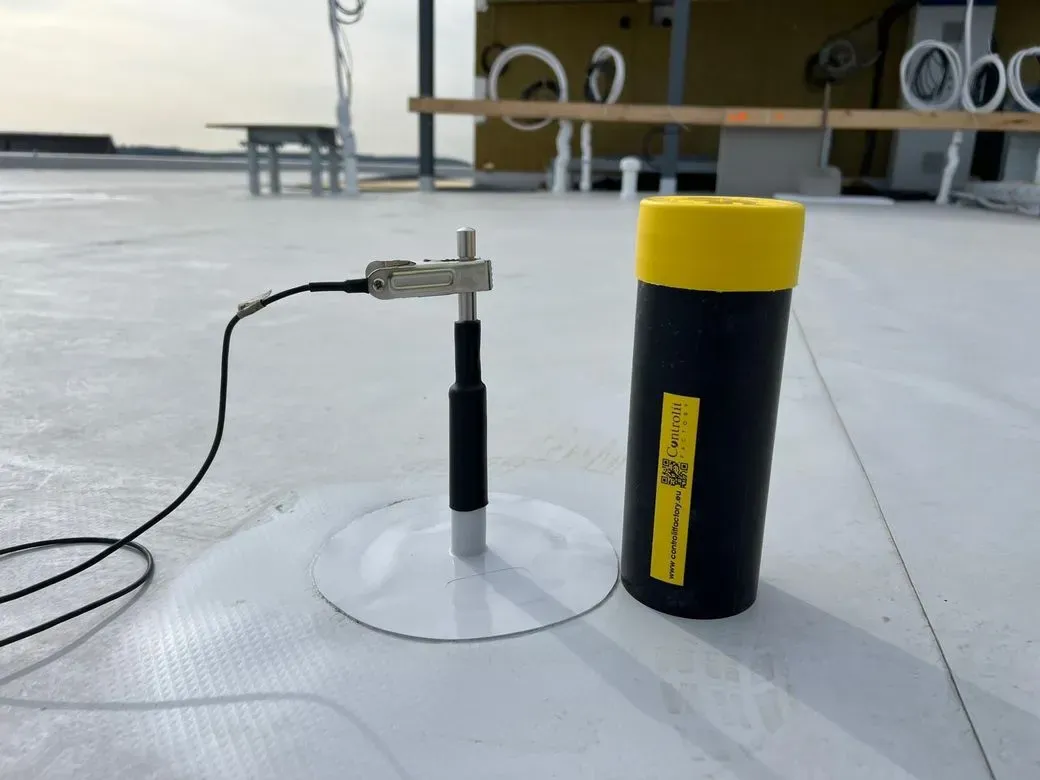
Connect your ELD equipment
A contact point provides the electrical path between the equipment and the underlay.
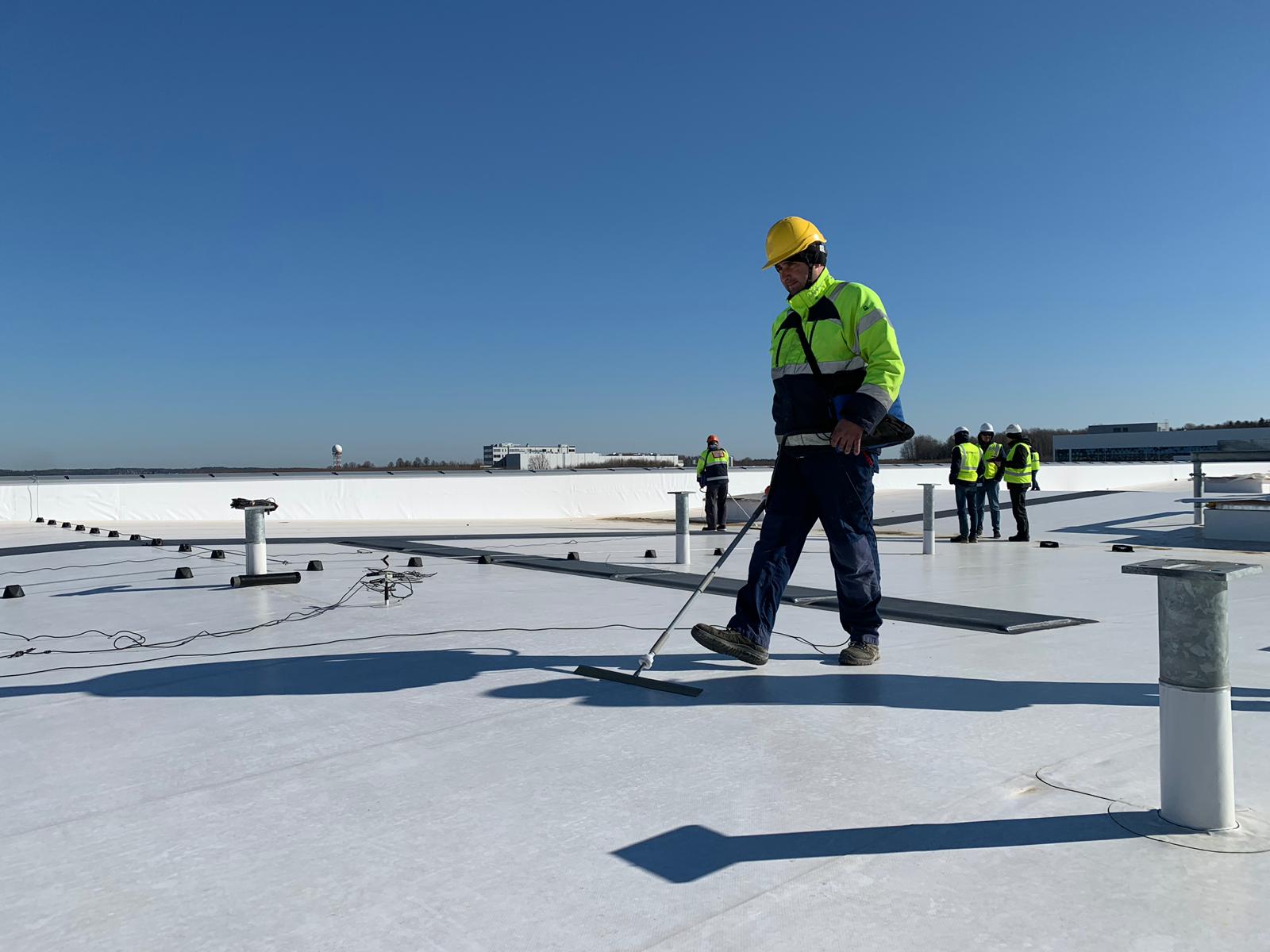
Test anytime. Repeat.
The entire waterproofing surface can be now be tested accurately and repeatedly at any point during the building's life.
After installation
Before handover
For Maintenance
Who it is for
A decision made at design stage.
Controlit must be specified before construction begins. Once the waterproofing system is installed without it, the opportunity for repeated preventive testing is gone.
Architects
You control the specification. Designing with Controlit makes waterproofing system testable throughout its service life, reducing uncertainty and warranty exposure.
Contractors
You are responsible for what you deliver. Controlit allows you to verify membrane integrity before handover and confirm the condition of the roof before responsibility shifts.
Building Owners
You will own the risk for decades. Adding Controlit into the design preserves independent verification of the waterproofing system for the entire life of the building.
Real project. Real numbers.
An 8,000 m² industrial roof. Every breach documented before handover.
A PVC membrane roof system on an industrial facility manufacturing electronic components, designed with Controlit from the start. Two tests. One construction phase in between.
5
breaches found
Located precisely, repaired, and re-verified the same day. Installation quality confirmed.
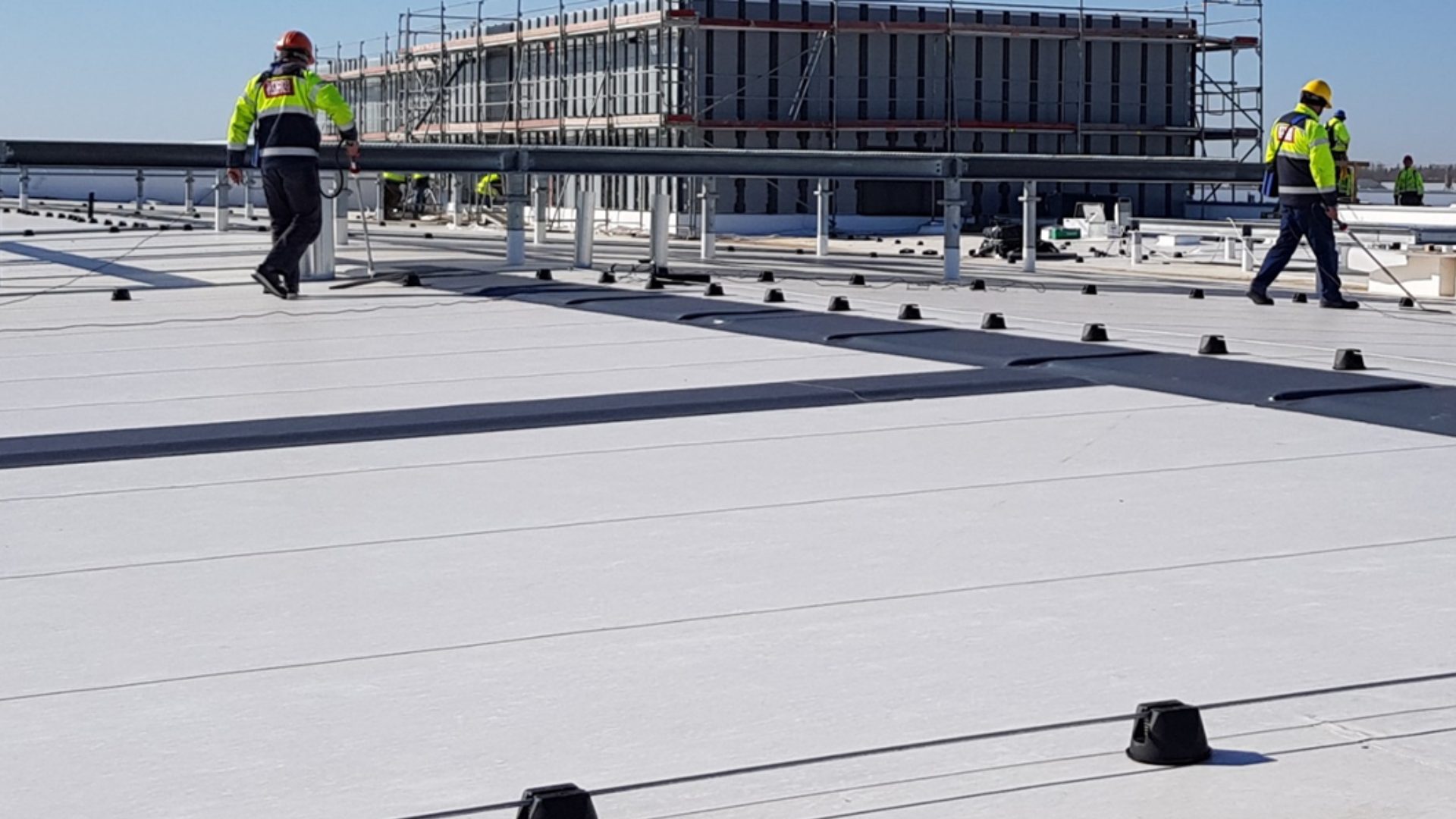
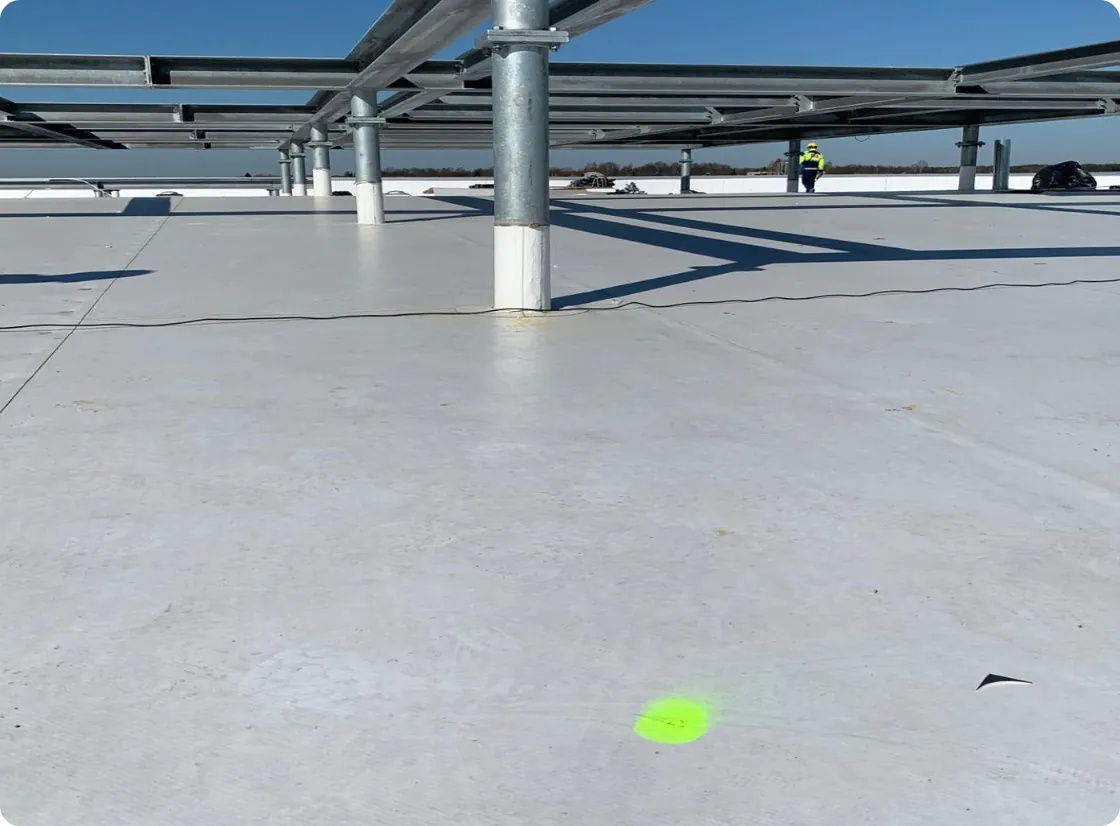
Other trades operated on the roof: scaffolding, mechanical installation, material storage. The roof became an active work surface for months.
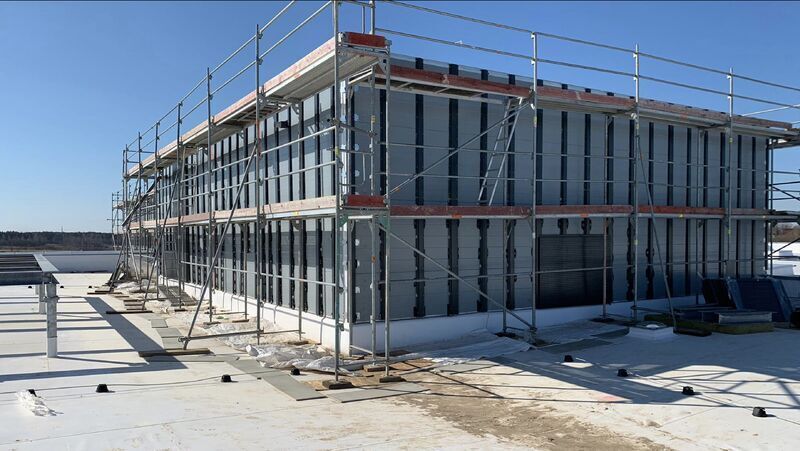
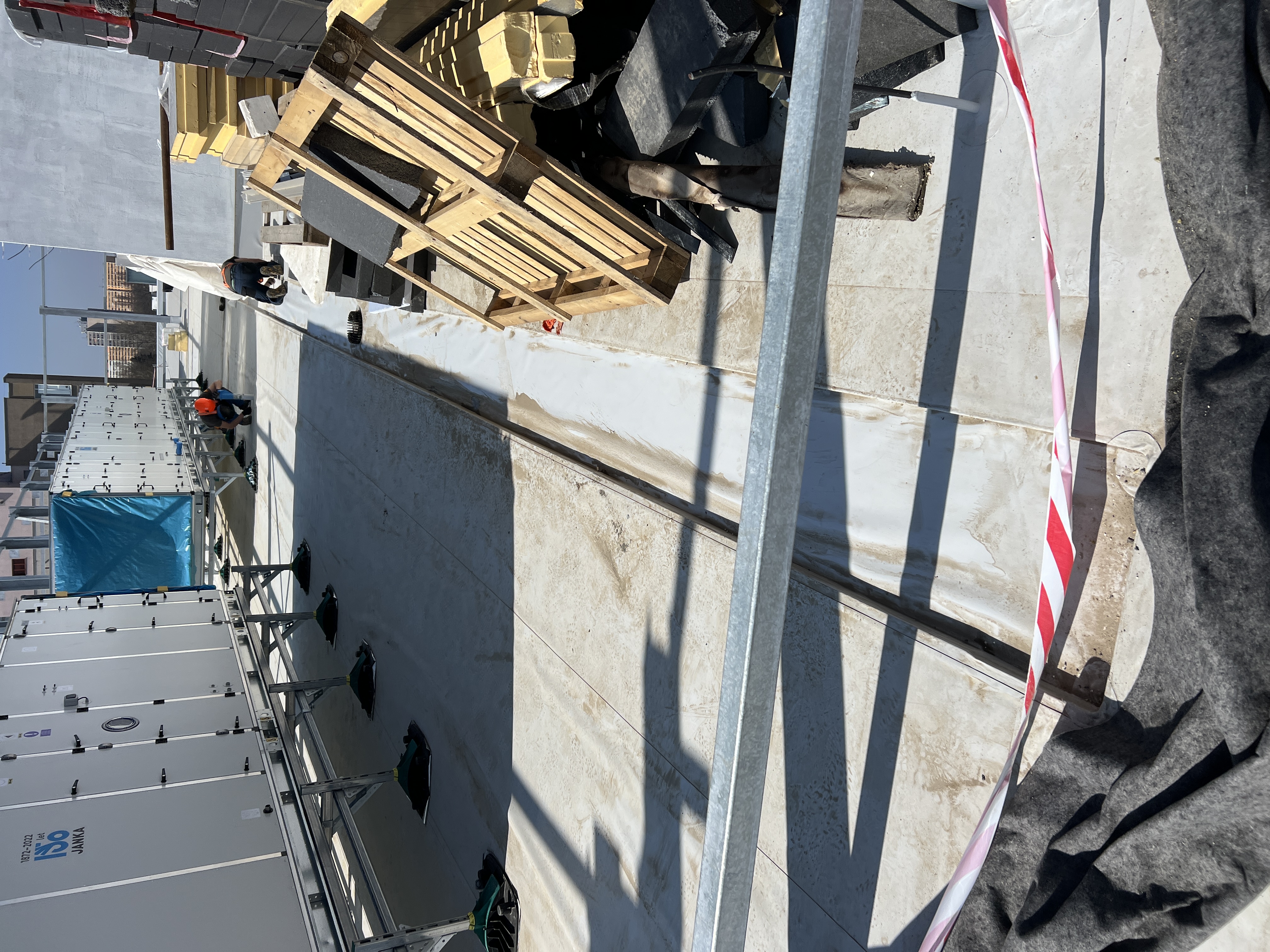
320
breaches found
Every breach was precisely located, repaired, and re-verified before keys changed hands.
No water had entered the building. No dispute over responsibility.
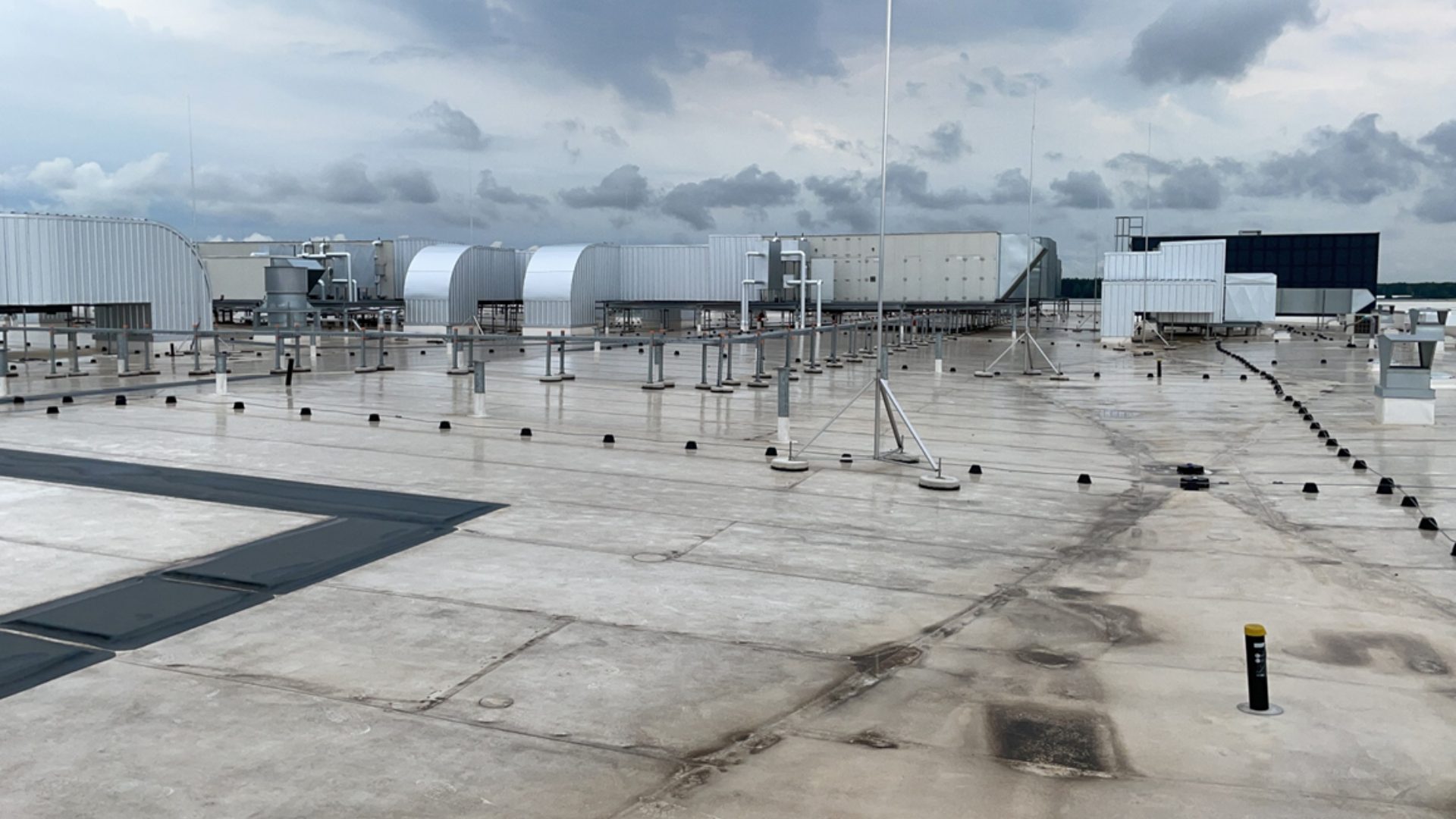
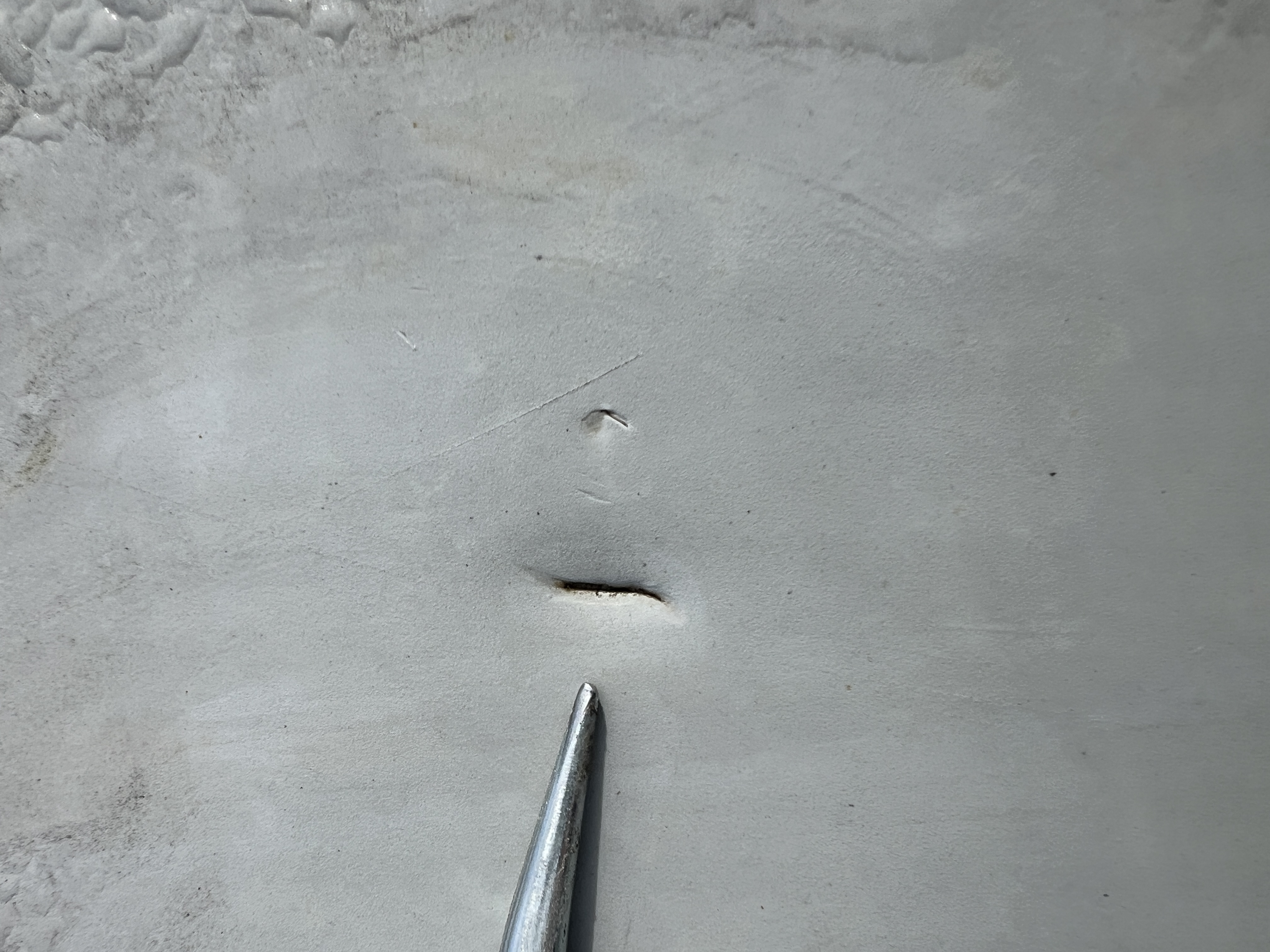
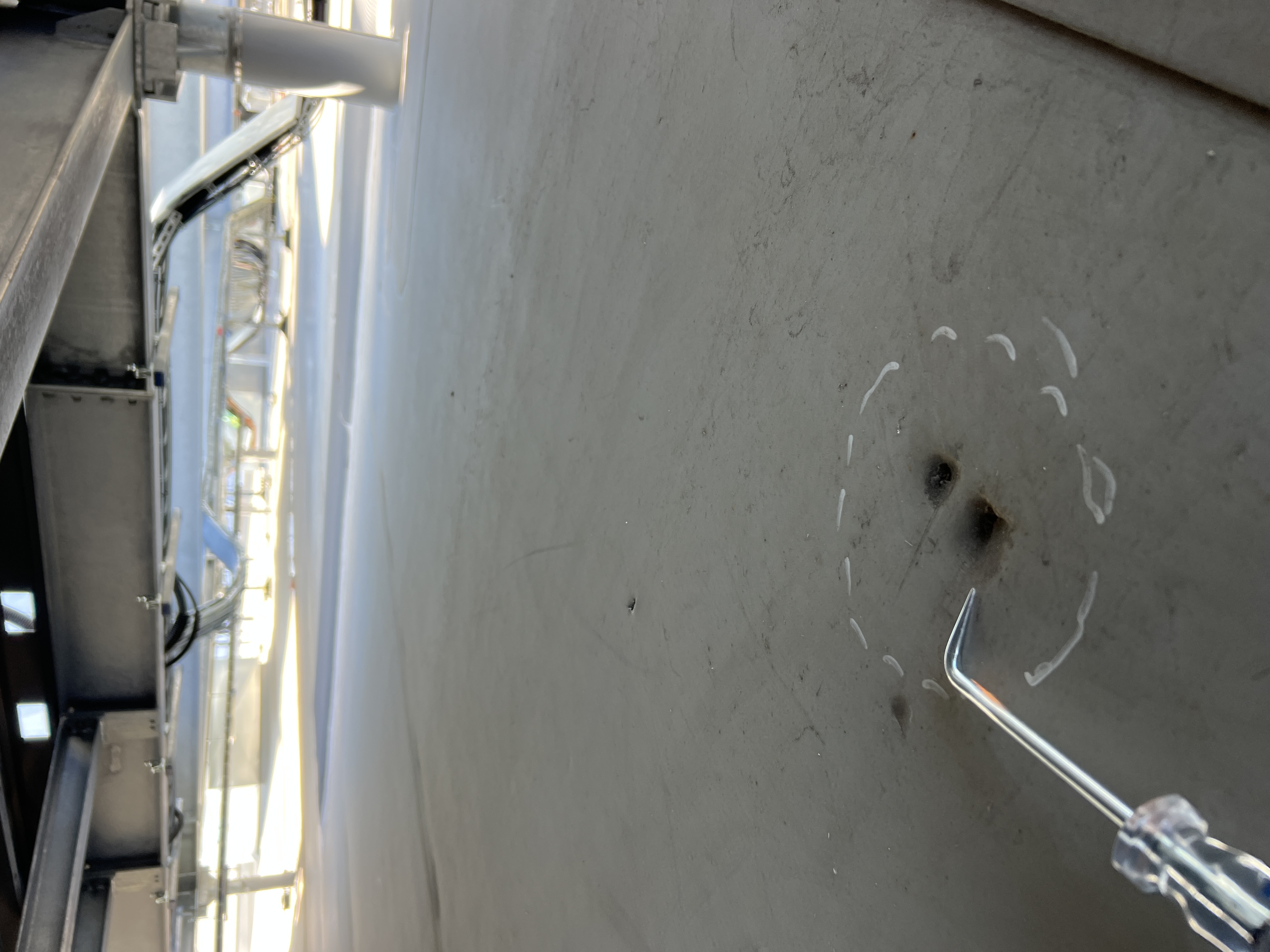
Without a Leak Prevention system, the roof would have been handed over with 320 undetected breaches.
It is now testable for life, giving the building owner control over his roof's condition.
FAQ