
Words matter.
In roofing, people constantly confuse two things: Leak Detection and Leak Prevention.
They are not the same. They apply to different moments in a roof's life and they serve different purposes.
Understanding the difference changes how we design, install, test, and maintain waterproofing systems.
Here is the simple distinction.
Leak Detection: Finding the Source of Water Ingress
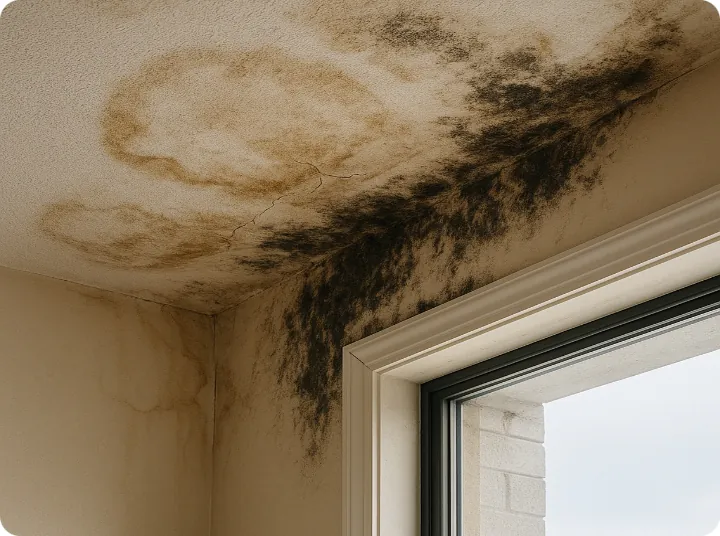
Leak detection happens after something has already failed.
A breach exists. Water has entered the system. The goal is to follow the water path and identify the exact point of failure so it can be repaired.
Leak detection is reactive. There is already a leak. The waterproofing is already compromised. Water ingress is already happening or has happened.
It is useful and necessary, but the building has already been exposed to risk.
Leak detection tells you what failed. It does not stop failure.
Leak Prevention: Making Sure the System is Intact Before Problems Appear
Leak prevention happens before any breach turns into a leak. Its purpose is to confirm the integrity of the waterproofing during construction and afterwards.
It focuses on three things:
- Detecting breaches before water does.
- Validating installation quality.
- Delivering a roof that has been tested and confirmed watertight.
Leak prevention is proactive. It gives certainty because the system was actually verified, not because no one saw defects.
Leak prevention proves the roof is watertight before it ever has the chance to leak.
It is a repeatable process, over the entire building lifespan.
Breaches vs. Leaks: The Key Distinction to Understand
A breach and a leak are not the same.
A breach is a defect in the waterproofing layer(s). A leak is what happens when that breach becomes a path for water ingress.
You can have breaches without leaks. You cannot have a leak without a breach.
Leak detection focuses on leaks. Leak prevention focuses on breaches.
This is the entire difference.
Preventive testing is powerful because it identifies breaches early, when fixing them is simple and inexpensive.
Why This Matters for Building Professionals
Mixing up leak detection and leak prevention leads to:
- Incomplete specifications.
- Wrong expectations.
- Missed opportunities to verify installation quality.
- Avoidable risk for owners and contractors.
Too many roofs are only tested once they show signs of water ingress. That is the worst and most expensive moment to intervene.
A better approach is simple: Find breaches early. Prevent leaks entirely.
Conclusion
Leak Detection and Leak Prevention both have a role, but they do not serve the same purpose.
Leak detection is a diagnostic tool. Leak prevention is a quality assurance tool.
One reacts to failure. The other stops it before it reaches the building.
If the goal is a leak-free roof, the industry must start integrating methods that confirm waterproofing integrity accurately and repeatably, over time.
Ready to implement leak prevention in your project? Contact us to discuss your waterproofing integrity testing strategy.